Blended learning
Blended learning, also known as hybrid learning, is an approach to education that combines online educational materials and opportunities for interaction online with traditional place-based classroom methods. It requires the physical presence of both teacher and student, with some elements of student control over time, place, path, or pace. While students still attend "brick-and-mortar" schools with a teacher present, face-to-face classroom practises are combined with computer-mediated activities regarding content and delivery.Blended learning is also used in professional development and training settings.
#Types of blended learning models
There is little consensus on the definition of blended learning. Some academic studies have suggested it is a redundant term.However, there are distinct blended learning models suggested by some researchers and educational think-tanks. These models include:
1). Face-to-face driver – where the teacher drives the instruction and augments with digital tools.
2). Rotation – students cycle through a schedule of independent online study and face-to-face classroom time.
3). Flex – Most of the curriculum is delivered via a digital platform and teachers are available for face-to-face consultation and support.
4). Labs – All of the curriculum is delivered via a digital platform but in a consistent physical location. Students usually take traditional classes in this model as well.
5).Self-blend – Students choose to augment their traditional learning with online course work.
6). Online driver – Students complete an entire course through an online platform with possible teacher check-ins. All curriculum and teaching is delivered via a digital platform and face-to-face meetings are scheduled or made available if necessary.
#How to create a blended learning program
Define objectives
As with any type of training model, you need to start with an objective; What’s the purpose of the training and what’s the end goal? Not only will this create clarity for your learners, but it enables you to build a more focused program that gives learners the skills and knowledge they need.
Make it interactive
Blended learning courses can be as interactive as you want. It’s up to you to decide the amount of learning that will be through online training and how much will take place through self-paced learning. For example, you could set a task for learners to complete before a live webinar training session. During the webinar, you discuss the task and share solutions.
Assessments
You’ll need to monitor and assess your learners progress at the end of the program. This will give you insight into how successful the training was, and if there are any knowledge gaps that need to be addressed. With an LMS, you can easily set exams or assessments to be completed at the end of the training.
#Advantages and Disadvantages of Blended Learning
Advantages
1) Provide a safer learning environment
By having students complete much of their coursework at home and only requiring in-person attendance a few times per week, institutions can create a learning environment to keep staff and students safe. With fewer students on campus at a time, institutions can realistically practice social distancing and ensure common areas are cleaned and disinfected properly between classes.
Blended learning also allows institutions to be prepared in case a COVID-19 outbreak happens in their area. With a blended learning framework in place, institutions can temporarily provide fully online courses until it’s safe to return to campus.
2) Increase student engagement
Studies have shown that blended learning increases engagement by providing different opportunities for student engagement using digital engagement tools, like those available through CourseKey Engage. By providing digital opportunities for engagement, educators may see more engagement online from those students who aren’t as comfortable sharing in front of their peers in-person.
3) Flipping the classroom improves comprehension
When students are more engaged in the class session, their comprehension naturally increases. Blended learning calls for what many call a “flipped classroom” approach, where students learn theory remotely and practice what they learned at home during in-person class sessions with instructors present to assist. Instead of spending the time students and instructors have together listening to a lesson, the in-person portion of blended learning is spent actively practising skills and getting hands-on training from instructors.
4) Students have more autonomy over their learning
In a blended learning model, students can partake in the online portion of class and look over class materials anywhere they have internet access, allowing them to choose where they work. In addition, students can complete the online portion when it fits their schedule, enabling them to more effectively balance schoolwork and external obligations. For adult learners especially, a sense of autonomy and control over their learning experience is essential for success.
5) Efficient use of instructor time
Traditional in-person courses require instructors to spend time outside of class completing administrative tasks like printing out handouts, uploading attendance data, hand-grading assignments, etc. Through the use of technology in blended learning, many of those tasks can be automated, allowing instructors to spend more time helping students comprehend material and develop their skills, in addition to creating more bandwidth to prepare strong lessons.
6) Gather learner data for better insights
By using digital tools to gather data such as comprehension, engagement, and attendance, administrators can analyze trends and use their findings to help students succeed. Whether it’s reaching out to individual students that may need extra assistance or a reminder of their standing, or making course-wide adjustments to review class material a majority of the students missed, admins can leverage the data collected to support students.
7) Access and enroll more students
Many career college students have obligations outside of school that make it difficult for them to commute to campus every day. Prospective students interested in enrolling will look for programs with flexibility, giving schools that can offer blended learning the ability to attract a wider variety of students.
8) Well-Suited for large groups
The first advantage is that blended learning helps you reach a larger audience in a shorter time. Why? Because contrary to the traditional methods, blended learning doesn’t require the trainer to be present all the time. Traditional classroom settings are constrained to a limited number of people at the same time.
9) Better preparation and feedback
Another important advantage is that blended learning makes traditional training more valuable. When people can complete assignments independently, they can come to class with the same knowledge level. There is more time for useful discussions and to practice what they have learned.
10) Great for the non-technology fans
Some people in the education sector are not big fans of technology, even though they recognize its benefits. Also, some employees and customers might not like it either, mostly when they are already used to face-to-face training.
Extra points
1) Blended instruction is reportedly more effective than purely face-to-face or purely online classes.
2) Blended learning methods can also result in high levels of student achievement more effectively than face-to-face learning.
3) By using a combination of digital instruction and one-on-one face time, students can work on their own with new concepts which frees teachers up to circulate and support individual students who may need individualised attention.
4) Blended learning also has the potential to reduce educational expenses, although some dispute that blended learning is inherently less expensive than traditional classroom learning.
5) Blended learning often includes software that automatically collects student data and measures academic progress, providing teachers, students and parents detailed student data. Often, tests are automatically scored, providing instantaneous feedback. Student logins and work times are also measured to ensure accountability.
6) Students with special talents or interests outside of the available curricula use educational technology to advance their skills or exceed grade restrictions.
7) A classroom environment that incorporates blended learning naturally requires learners to demonstrate more autonomy, self-regulation, and independence in order to succeed.
8) Blended learning supports the use of standards as a way to manage quality and ease of use.
9) This virtual learning environment helps connect professors with students without physically being present, thus making this a 'virtual cafe'.
10) The advantages of blended learning are dependent on the quality of the programs being implemented.
Disadvantages
1. The Technology Can Be Challenging Rather Than Useful.
One of the key issues is technological literacy, which can be a real problem for teachers. Not all digital resources are reliable and easy to use.
2. Blended Learning Makes Teachers Overwork.
There is a great deal of additional work for teachers involved in all stages of blended learning. They have to broaden their horizons, pick the most suitable syllabus, and apply significantly more time and effort to find the right balance between online and face-to-face learning. Unfortunately, not all of them are willing to do so.
3. Students Can Experience Cognitive Load, Too.
With a great range of possibilities provided by the blended learning model, teachers may start overdoing with educational activities and content.
4. Credibility Of Sources And Plagiarism Become Even A Bigger Issue.
Having a digital-friendly educational environment may cause more plagiarising from online resources. Moreover, there are a number of unreliable online resources that present false or misinterpreted facts.
5.Temporary increase in the workload (transition phase)
It’s hard to disagree that there’s a significant amount of work involved in the early stage of blended learning where you set everything up. It’s not easy to switch to a new method if you are already accustomed to a traditional approach.
6.Lack of motivation
Another disadvantage is that, depending on how you set up blended learning, it might diminish the motivation of your participants. Not every blended learning model is suited to every person, task, subject, or organisation. In the way you consider children's reading levels when choosing books for them, you should consider which approach will work best for your employees or customers.
Conclusion
As any other method, blended learning has its bright and dark sides. The combination of self-paced education and face-to-face training can be beneficial, but only when wisely applied. Sometimes there are risks to overbalance the rewards, because not all students are ready to stand on their own feet when it comes to learning. For some of them, this modern educational environment can be motivational, while the others feel confused about it.
However, we believe that the disadvantages of this strategy are more than overcomable. If teachers keep an eye on their students and provide strong support to them, more quality courses will be delivered. If you are passionate about what you are doing, you will always find your way. Read the article about effective blended learning strategies that worked to get more practical information on the topic.
Find your pdf 👉Here
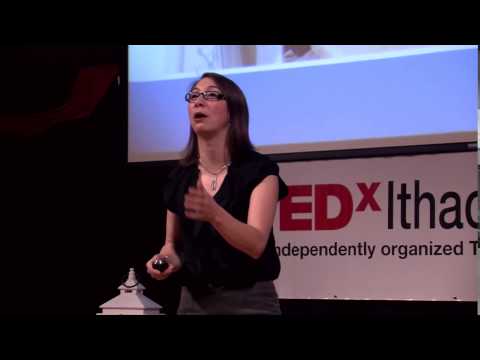
Learn more with this wonderful ted-talk video about blended learning👇